Medical Care & Procedures
Facing a medical procedure—whether planned or unexpected—can feel overwhelming. The unfamiliar terminology, the complex decisions, and the uncertainty about outcomes create anxiety for patients and their families alike. Yet understanding what happens before, during, and after medical interventions transforms that anxiety into informed confidence.
Medical care encompasses an extraordinary range of interventions, from minimally invasive biopsies that take minutes to complex organ transplants requiring months of preparation. Each procedure serves a specific purpose: diagnosing a condition, repairing damage, restoring function, or managing symptoms. The common thread connecting them all is the partnership between medical teams and patients working toward better health outcomes.
This resource explores the major categories of medical procedures you or a loved one might encounter. Whether you’re preparing for scheduled surgery, supporting someone in intensive care, or simply wanting to understand your options, the information ahead provides the foundation you need to navigate the healthcare system with clarity.
Reconstructive and Microsurgical Interventions
Reconstructive procedures occupy a unique space in medicine, bridging the gap between medical necessity and quality of life improvement. Unlike purely cosmetic interventions, reconstructive surgery addresses functional impairments or disfigurements caused by trauma, disease, or congenital conditions.
When Reconstruction Becomes Medically Necessary
The distinction between medically necessary and elective procedures often determines insurance coverage. Breast reconstruction after mastectomy, facial repair following accident trauma, or eyelid surgery that restores vision are typically classified as necessary interventions. Proving this necessity to insurers requires documentation of functional impairment, not just aesthetic concerns.
The Precision of Microsurgery
Microsurgery represents medicine’s most delicate work, reconnecting blood vessels and nerves measured in millimeters. When a finger is severed, surgeons have approximately six hours to reattach it successfully. Nerve regeneration progresses at roughly one millimeter per day—meaning recovery from major nerve damage often spans months or years.
Success rates depend heavily on patient factors. Smokers experience microsurgery failure rates roughly 50% higher than non-smokers due to vasoconstriction affecting blood flow to newly repaired tissues. Modern techniques like tissue transfer and even medical leeches help manage complications such as venous congestion.
Navigating Critical Care Environments
The intensive care unit represents medicine at its most intensive—continuous monitoring, multiple interventions, and life-support systems working in concert. For families, the ICU experience can be disorienting and emotionally exhausting.
Understanding the ICU Experience
Those constant monitor alarms that seem to sound even when patients appear stable serve important purposes. Equipment detects subtle changes—a slight position shift, minor electrode displacement, or small vital sign fluctuations—that warrant attention but don’t necessarily indicate emergencies. Learning which alarms require immediate concern versus routine acknowledgment helps families cope with the sensory environment.
A phenomenon called ICU delirium affects a significant majority of ventilated patients. The combination of sedation, sleep disruption, unfamiliar environment, and illness creates temporary confusion that can alarm families but typically resolves as patients recover and leave the unit.
Advocating for Your Loved One
Effective advocacy in critical care requires balancing assertiveness with collaboration. Key strategies include:
- Designating a single family spokesperson for communication with medical teams
- Keeping a written log of questions, medications, and updates
- Understanding visiting protocols that protect immunocompromised patients
- Asking for clarification when medical terminology becomes confusing
Sedation and Anesthesia: What Patients Must Know
Sedation exists on a spectrum from mild relaxation to complete unconsciousness. Understanding where your procedure falls on this spectrum affects everything from preparation to recovery expectations.
Levels of Sedation Explained
Conscious sedation keeps patients responsive to verbal commands while reducing anxiety and discomfort—common for dental procedures and minor surgeries. General anesthesia induces complete unconsciousness, requiring careful airway management and deeper monitoring. The choice depends on procedure complexity, patient health status, and individual anxiety levels.
Administration methods matter too. IV sedation typically provides more reliable amnesia than oral medications, meaning patients often have no memory of the procedure. However, both methods impair judgment and reaction time for hours afterward—explaining why driving restrictions apply even when patients feel perfectly fine.
Safety Considerations
Patients with sleep apnea face elevated sedation risks because their airways are already prone to obstruction. Proper monitoring equipment—pulse oximetry, capnography, and cardiac monitoring—should be present regardless of the setting. Some outpatient facilities lack comprehensive monitoring capabilities, making it essential to verify equipment availability before scheduling procedures.
Emergency Response: Acting When Minutes Matter
Medical emergencies strip away the luxury of careful research and deliberation. The knowledge you carry into those moments determines outcomes.
Recognizing Critical Symptoms
The FAST protocol (Face drooping, Arm weakness, Speech difficulty, Time to call emergency services) has saved countless stroke victims. However, posterior strokes affecting the brain’s back regions may present differently—with severe dizziness, vision changes, or coordination problems without classic FAST signs. Any sudden neurological change warrants emergency evaluation.
For chest pain, the aspirin question confuses many: chewing rather than swallowing whole allows faster absorption into the bloodstream. This simple distinction can improve outcomes when every minute of blood flow matters.
Communicating Effectively in Emergencies
The bystander effect—where everyone assumes someone else will act—kills. Point directly at a specific person when requesting someone call emergency services. When speaking with dispatchers, clearly communicate:
- The exact location, including apartment numbers or landmarks
- The patient’s symptoms and when they started
- Whether the patient is conscious and breathing
- Any known medical conditions or medications
End-of-Life Decisions and Resuscitation Realities
Television dramatically misrepresents CPR outcomes. Understanding the reality helps families make informed decisions during the most difficult conversations.
The Truth About Resuscitation
CPR involves significant physical trauma—broken ribs are common, not exceptional. Survival rates vary dramatically based on circumstances: witnessed cardiac arrest with immediate bystander CPR and rapid defibrillation offers the best odds, while prolonged resuscitation carries higher risks of neurological impairment. Age significantly impacts outcomes, with younger patients generally tolerating extended resuscitation better.
Advance Care Planning
Do-not-resuscitate orders require careful consideration during periods of calm, not crisis. Key questions to discuss with healthcare providers include:
- What quality of life can realistically be expected after resuscitation?
- What interventions align with the patient’s values and wishes?
- Who holds decision-making authority if the patient cannot communicate?
DNR tattoos present legal complexity—most paramedics cannot honor them without proper documentation because they cannot verify authenticity or current wishes.
Preparing for Scheduled Surgery
The weeks before surgery significantly impact recovery outcomes. Thoughtful preparation addresses physical, logistical, and psychological factors.
Physical Preparation
Nutrition before fasting matters more than many realize. Adequate protein intake in the days preceding surgery supports wound healing mechanisms that activate immediately after incision. Blood-thinning medications require careful management—stopping them too early increases clot risk while stopping too late increases bleeding risk. Follow your surgeon’s specific timeline precisely.
Home and Recovery Planning
Arrange your living space before surgery, not after. Consider:
- Moving essential items to waist height to avoid bending or reaching
- Installing temporary grab bars in bathrooms
- Preparing freezer meals and easy-access snacks
- Arranging transportation that meets post-sedation requirements—rideshare services may not accept recently sedated passengers
Mental preparation for extended limited mobility prevents the depression that commonly accompanies lengthy recoveries. Having projects, entertainment, and social connection plans in place proves as important as physical preparations.
Organ Transplantation: A Life-Changing Process
Transplantation represents medicine’s most dramatic intervention—replacing failed organs with donated ones. The process demands extraordinary commitment from recipients.
Maintaining Waitlist Eligibility
The transplant waitlist isn’t passive waiting. Missing dialysis appointments, failing to manage underlying conditions, or demonstrating non-compliance with medical instructions can result in removal from the list. Transplant teams evaluate not just medical need but likelihood of successful long-term outcomes.
Living donors offer advantages for kidney transplants—typically better organ longevity and the ability to schedule surgery optimally. However, not everyone has a compatible living donor option, making the deceased donor waitlist the reality for many patients.
Post-Transplant Realities
Life after transplantation means permanent immunosuppression. Anti-rejection medications, often costing thousands monthly, must be taken consistently for life. This suppressed immune system requires vigilance against infections that healthy individuals shrug off easily.
Diagnostic Biopsies: Understanding the Process
Biopsies—removing tissue samples for microscopic examination—provide definitive diagnosis when imaging alone cannot. Different techniques suit different situations.
Needle biopsies use thin needles to extract small tissue cores, minimizing scarring but sampling limited areas. Excisional biopsies remove entire suspicious areas, providing more tissue but leaving larger wounds. The choice depends on lesion location, size, and suspected diagnosis.
Understanding sampling error helps interpret results. A benign biopsy result from a small sample doesn’t guarantee the entire lesion is benign—sometimes concerning cells exist just millimeters away from where the needle sampled. When clinical suspicion remains high despite benign results, repeat sampling or excision may be warranted.
Managing Spinal and Musculoskeletal Conditions
Chronic neck and back pain affects daily function for millions. Understanding treatment hierarchies helps patients advocate for appropriate care.
Modern posture challenges create modern pain patterns. Looking down at smartphones places the equivalent of 60 additional pounds of pressure on cervical vertebrae—sustained daily, this stress accumulates into chronic dysfunction.
Treatment typically progresses through conservative measures before considering surgery. Physical therapy addressing both manipulation and strengthening often provides lasting relief. Surgery becomes appropriate when structural problems cause nerve compression, progressive weakness, or intolerable pain despite exhaustive conservative treatment—not as a first option for uncomplicated pain.
Recognizing warning signs matters: morning stiffness lasting more than an hour suggests inflammatory arthritis requiring different treatment than mechanical back pain. Proper diagnosis directs appropriate intervention.

How To Manage Chronic Neck Pain Without Relying On Painkillers?
Chronic neck pain from our devices isn’t just a nuisance; it’s a sign of mechanical failure in your neck’s deep support structure. Relying on painkillers only masks the symptoms. Lasting relief comes from understanding the immense physical load of poor…
Read more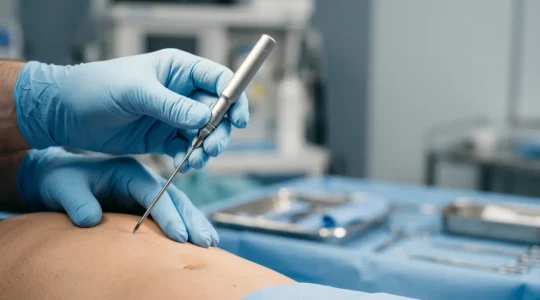
Needle or Excisional: Which Biopsy Technique Minimizes Scarring Risks?
The key to a better biopsy experience isn’t the technique itself, but your active participation in the process. Understanding the “why” behind pain, delays, and potential errors transforms patient anxiety into empowered action. Proactive steps taken before and after the…
Read more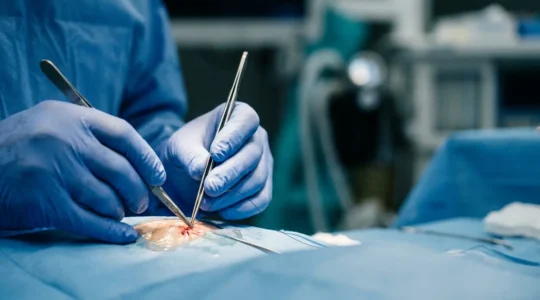
How Microsurgery Can Save a Severed Limb When Standard Repair Is Not an Option
Reattaching a limb is not the final victory; it is the start of a biological marathon governed by unforgiving timelines and microscopic challenges. Success hinges on beating the 6-hour “warm ischemia” clock, the window before irreversible muscle death begins. Full…
Read more
How To Maintain Eligibility While Waiting For An Organ Transplant?
In summary: Maintaining transplant eligibility is an active strategy, not passive waiting. Non-compliance, especially with dialysis, signals to the transplant team that you may not be able to care for a new organ. A kidney from a living donor typically…
Read more
How to Prepare Your Home for a Faster Recovery After Scheduled Surgery
In summary: Proactively prepare your body through targeted nutrition (“pre-hab”) and strict adherence to medical protocols like fasting and medication management. Design your home as a “therapeutic environment” by removing hazards, organizing recovery zones, and adapting spaces for limited mobility….
Read more
How To Decide On Do-Not-Resuscitate Orders For Terminal Illness?
In summary: CPR is far more traumatic and less successful than media portrays, especially for the elderly or terminally ill. A DNR is not an act of “giving up” but a compassionate choice to prioritize a person’s quality of life…
Read more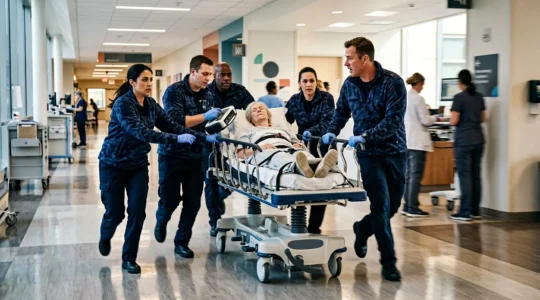
Stroke Emergency Protocol: How to Act Within the Golden Hour Like a First Responder
Knowing F.A.S.T. is not enough; in a real crisis, the standard advice has critical gaps that can cost a life. Posterior strokes, which affect balance and vision, are often missed by the F.A.S.T. acronym. The ‘Bystander Effect’ means someone must…
Read more
Conscious Sedation vs General Anesthesia: Making the Safest Choice for Your Dental Work
For anxious patients, the choice between sedation types can be stressful; true safety isn’t about being “awake” or “asleep,” but about the level of provider control and technological monitoring. IV sedation provides far more predictable and profound amnesia than oral…
Read more
How To Advocate For A Loved One In Critical Bedside Care?
When a loved one is in the ICU, it’s easy to feel helpless amidst the chaos of machines and medical jargon. The key to effective advocacy is not to challenge the medical team, but to become an essential care partner….
Read more
Reconstructive Interventions: When Is It Medically Necessary vs Cosmetic?
The line between ‘medically necessary’ and ‘cosmetic’ surgery is often a clinical or administrative one, but for the patient, both are essential for restoring identity. Reconstruction addresses both functional deficits and the deep psychological impact of trauma or disease by…
Read more