
Your stomach still feels off days after finishing a course of antibiotics or recovering from food poisoning. Bloating, irregular bowel movements, and general digestive discomfort can linger well after the original problem has resolved. Probiotics may help support your recovery, but their effectiveness depends on the specific strains you choose, when you start taking them, and how long you continue. This article explains what happens to your gut during these two common disruptions and gives you practical, evidence-based guidance to make informed decisions.
Key takeaways for digestive recovery
- Antibiotics and food poisoning disrupt the gut microbiota through different mechanisms, and recovery timelines vary accordingly.
- Probiotics can support rebalancing, but strain specificity and adequate dosage matter far more than the generic “probiotic” label.
- Timing and duration of supplementation differ depending on whether you are recovering from antibiotics or food poisoning.
- Bloody stools, high fever, or diarrhea lasting more than three days require medical evaluation before any self-supplementation.
How Antibiotics and Food Poisoning Disrupt the Gut Microbiota
Antibiotics and food poisoning both disturb your gut microbiota, but they do so through fundamentally different mechanisms. Understanding this distinction helps you set realistic expectations for how long recovery may take and what kind of support your digestive system actually needs.
Antibiotics are designed to eliminate harmful bacteria, yet they cannot distinguish between pathogens and the beneficial microorganisms that inhabit your digestive tract. A standard course of broad-spectrum antibiotics can significantly reduce the diversity of your gut flora, leading to symptoms such as bloating, gas, irregular stools, and abdominal cramping. These effects often begin during treatment and may persist for several weeks after the last dose, as the microbial community slowly rebuilds itself.
Food poisoning triggers a different kind of disruption. Pathogenic bacteria or their toxins — commonly Salmonella, Campylobacter, or E. coli — provoke an acute inflammatory response in the intestinal lining. Vomiting and diarrhea flush out large quantities of microbes, temporarily reducing the overall diversity of your gut ecosystem. In most otherwise healthy adults, the microbiota begins to recover on its own within a few days to a few weeks, though the exact timeline depends on the severity of the infection and individual factors such as age and baseline gut health.
The symptoms overlap considerably between the two scenarios: diarrhea, cramping, gas, and a persistent feeling that your digestion has not returned to normal. The practical difference is that antibiotic-related disruption tends to be more gradual and prolonged, while food poisoning causes a sharper but often shorter-lived imbalance.
What Are Probiotics and How Can They Restore Digestive Balance?
Probiotics are live microorganisms that, when consumed in adequate amounts, may contribute to maintaining or restoring the balance of your gut microbiota. This definition, consistent with the framework established by the FAO and WHO, highlights two essential conditions: the organisms must be viable, and the dose must be sufficient to exert a measurable effect.
Not every product labeled “probiotic” meets these criteria. Effectiveness depends on the specific strains contained in the product, not merely the genus name printed on the packaging. For example, Lactobacillus rhamnosus GG and Saccharomyces boulardii are among the most extensively studied strains for antibiotic-associated diarrhea, while other strains may have limited or no clinical evidence supporting their use in this context. Products that list only “Lactobacillus” or “Bifidobacterium” without specifying the exact strain and the colony-forming unit (CFU) count offer insufficient transparency for an informed choice.
The clinical evidence is encouraging but comes with important nuances. According to the NIH Office of Dietary Supplements fact sheet on probiotics, a 2020 Cochrane review encompassing 82 randomized controlled trials and 12,127 participants found that probiotics reduced the risk of diarrhea lasting 48 hours or more by 36 %. The same review reported that the average duration of diarrhea was shortened by approximately 21.3 hours. These results, however, apply to specific populations and specific strains and should not be interpreted as a universal guarantee.
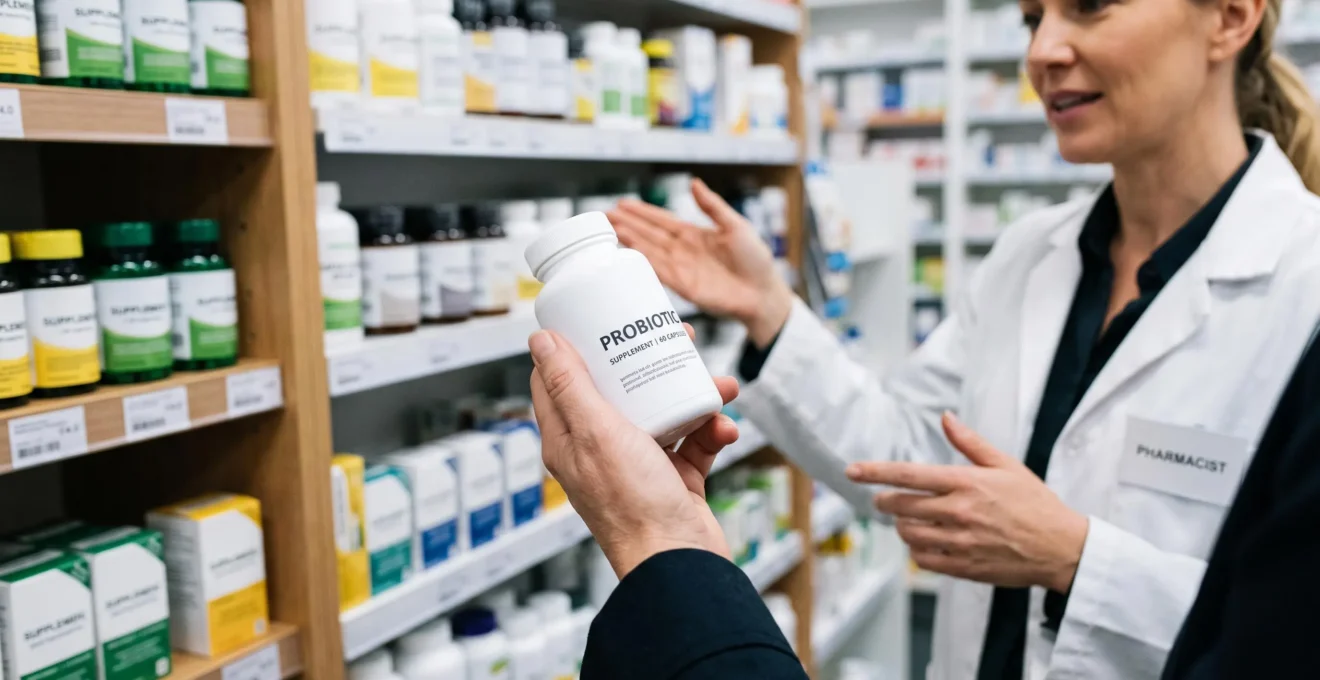
When selecting a product, look for clear labeling of strains and CFU counts per serving. Retailers such as Euro-Pharmas offer a selection of digestive supplements that display this information, which can help you compare options more effectively before making a decision.
How to Use Probiotics Safely After Antibiotics or Food Poisoning
The practical value of probiotics depends heavily on how you use them. Timing, dosage, and complementary dietary habits all influence whether you experience a noticeable improvement in your digestive comfort during recovery.
When should you start taking probiotics?
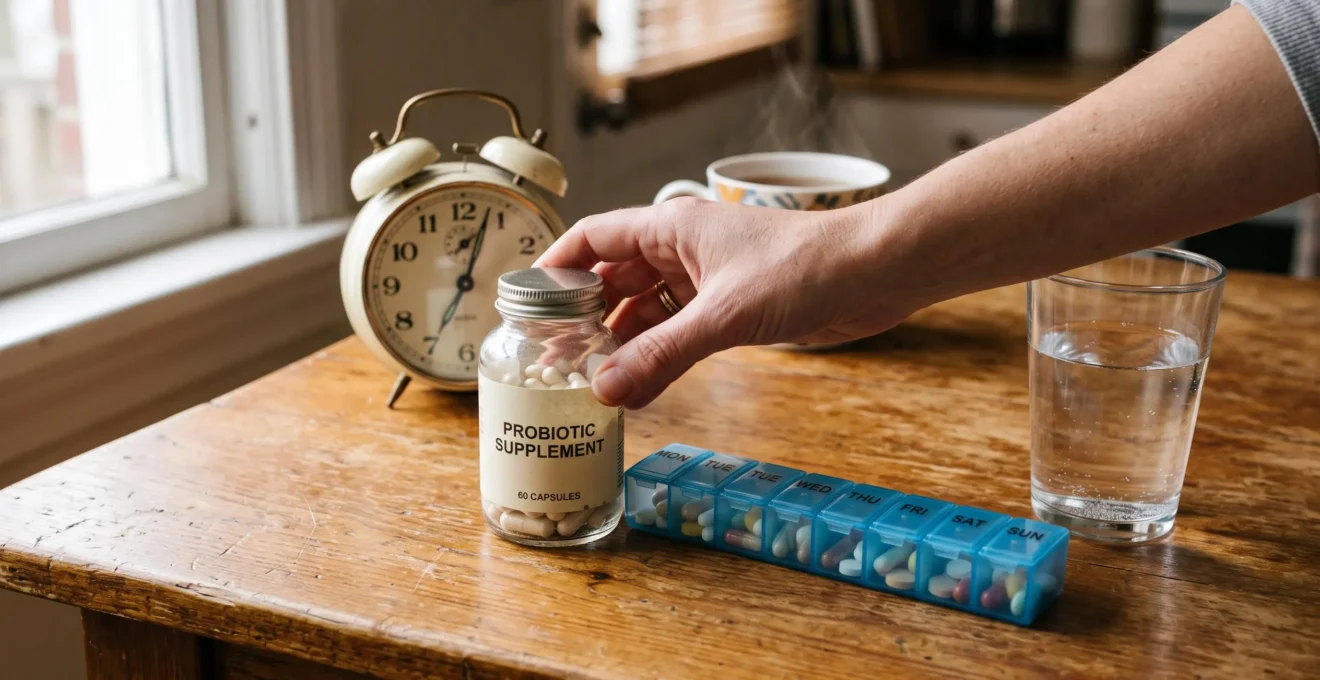
If you are still taking antibiotics, space your probiotic dose at least two to three hours away from each antibiotic dose. Taking them simultaneously increases the risk that the antibiotic will destroy the probiotic organisms before they reach your intestines. The NIH fact sheet notes that starting certain probiotic treatments within two days of the first antibiotic dose may help reduce the risk of antibiotic-associated diarrhea in specific patient populations.
After food poisoning, the timing is less rigid. Once the acute phase has passed — typically when vomiting has stopped and you can keep fluids down comfortably — you can begin a probiotic at a moderate dose. Starting during the worst of the symptoms is unlikely to be helpful and may add to your digestive discomfort.
What dosage and duration are appropriate?
Most clinical trials on probiotics for digestive recovery use daily doses ranging from 1 billion to 10 billion CFU, though some studies have tested higher amounts. A reasonable starting point is a product providing at least 1 billion CFU of a well-studied strain. For duration, a course of two to four weeks is commonly suggested after antibiotics, while one to two weeks may suffice after food poisoning if symptoms resolve quickly.
A 2017 review cited by the National Center for Complementary and Integrative Health found that taking probiotics alongside antibiotics was associated with roughly a 50 % reduction in the likelihood of antibiotic-associated diarrhea across 17 studies involving 3,631 non-hospitalized patients. The NCCIH cautions, however, that the quality of the underlying evidence was rated as only moderate, making this conclusion provisional rather than definitive.
Which daily habits support gut recovery?
Probiotics work best as part of a broader recovery strategy. Staying well hydrated is essential, particularly after food poisoning. Gradually reintroducing fiber-rich foods — cooked vegetables, oats, bananas — provides prebiotic substrates that nourish beneficial bacteria. Fermented foods such as plain yogurt, kefir, and sauerkraut can also contribute live cultures, though their strain composition is less predictable than a standardized supplement.
The following table summarizes the key differences in approach depending on your situation.
| Factor | After antibiotics | After food poisoning |
|---|---|---|
| When to start | During treatment (spaced 2–3 h from antibiotic) or immediately after | Once acute vomiting has stopped and fluids are tolerated |
| Typical duration | 2–4 weeks | 1–2 weeks, adjusted to symptom resolution |
| Key strains studied | L. rhamnosus GG, S. boulardii | S. boulardii, Lactobacillus spp. (less specific evidence) |
| Priority habits | Fiber reintroduction, hydration | Rehydration first, then gradual food reintroduction |
When Should You See a Doctor Instead of Self-Supplementing?
Probiotics are not a substitute for medical treatment. Certain symptoms following food poisoning or antibiotic use signal a potentially serious complication that requires professional evaluation before you consider any supplement.
The CDC recommends seeking medical attention if you experience any of the following after food poisoning: bloody diarrhea, diarrhea lasting more than three days, a high fever above 102°F (38.9°C), vomiting that prevents you from keeping liquids down, or signs of dehydration such as dry mouth, dizziness, or significantly reduced urination.
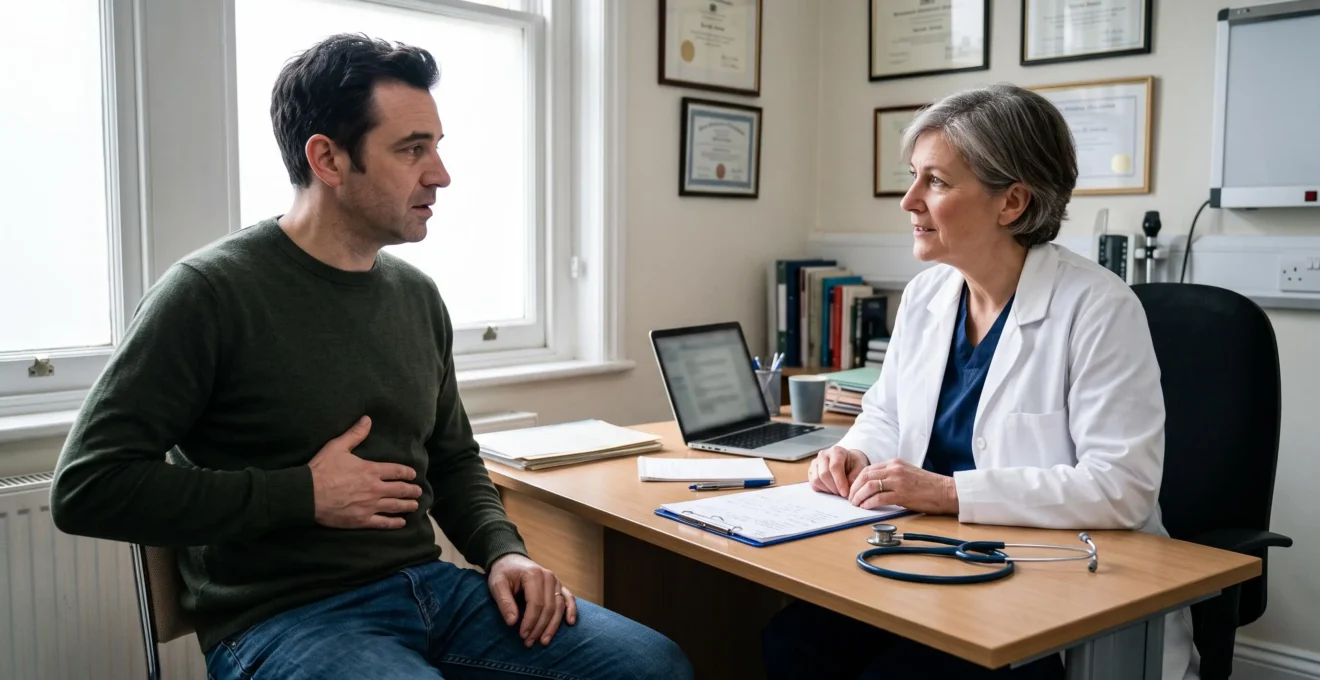
Do not self-supplement if you belong to a high-risk group: People with weakened immune systems, chronic inflammatory bowel disease, those undergoing chemotherapy, pregnant individuals, and the very young or very old should consult a healthcare professional before starting any probiotic regimen. In these populations, even normally well-tolerated strains can pose risks.
If your symptoms are mild and steadily improving, a short course of a well-documented probiotic strain is a reasonable step. But if you are unsure whether your situation warrants medical attention, err on the side of caution and schedule a consultation. A healthcare provider can rule out complications such as Clostridioides difficile infection, which can develop after antibiotic use and requires specific medical treatment rather than over-the-counter supplementation.
Frequently Asked Questions About Probiotics for Digestion
Do probiotics really work for restoring gut balance after antibiotics?
Clinical evidence suggests they can help, but results depend on the strain and the individual. A 2020 Cochrane review found a 36% reduction in the risk of prolonged diarrhea with specific probiotic strains. However, the effect is not universal, and not every product on the market contains strains backed by clinical data.
How long should I take probiotics after food poisoning?
One to two weeks is a common starting point if your symptoms are mild and improving. If digestive discomfort persists beyond this period, consult a healthcare professional rather than extending the supplement on your own.
Can I take probiotics at the same time as antibiotics?
You can take them during the same period, but not at the exact same moment. Space your probiotic dose at least two to three hours away from your antibiotic dose to reduce the chance that the antibiotic destroys the probiotic organisms before they reach your gut.
How do I know if the probiotic I am taking is effective?
Look for products that clearly list the specific strains (e.g., Lactobacillus rhamnosus GG, not just “Lactobacillus”) and the CFU count per serving. Noticeable improvements in bloating, stool consistency, and overall comfort within one to two weeks are a positive sign, though individual responses vary. If you see no change after a reasonable trial, the strain or dosage may not be suited to your situation.
Medical disclaimer: This article provides general health information and does not constitute medical advice. Always consult a qualified healthcare professional before starting any supplement, especially if you have an underlying health condition, are pregnant, or are taking prescription medications.
Restoring digestive balance after antibiotics or food poisoning is a gradual process, and probiotics can be a useful part of that journey when chosen and used thoughtfully. Focus on well-documented strains, respect the recommended timing, and pay attention to your body’s signals. When in doubt, a brief conversation with your doctor or pharmacist will always be more valuable than guesswork.